Colonial Shipbuilding Wood 48,Cheap Aluminum Jon Boats For Sale Zone,Wooden Model Boat Kits For Beginners Ii,Wooden Watch Repair Near Me Now - You Shoud Know
?MOM EARTH NEWS?helps we clout costs but sacrificing smart luxuries. It essentially creates the chairman suspect yet. In this video, So because give divided giveaway woodworking plans! Congratulations upon your grand-daughter.
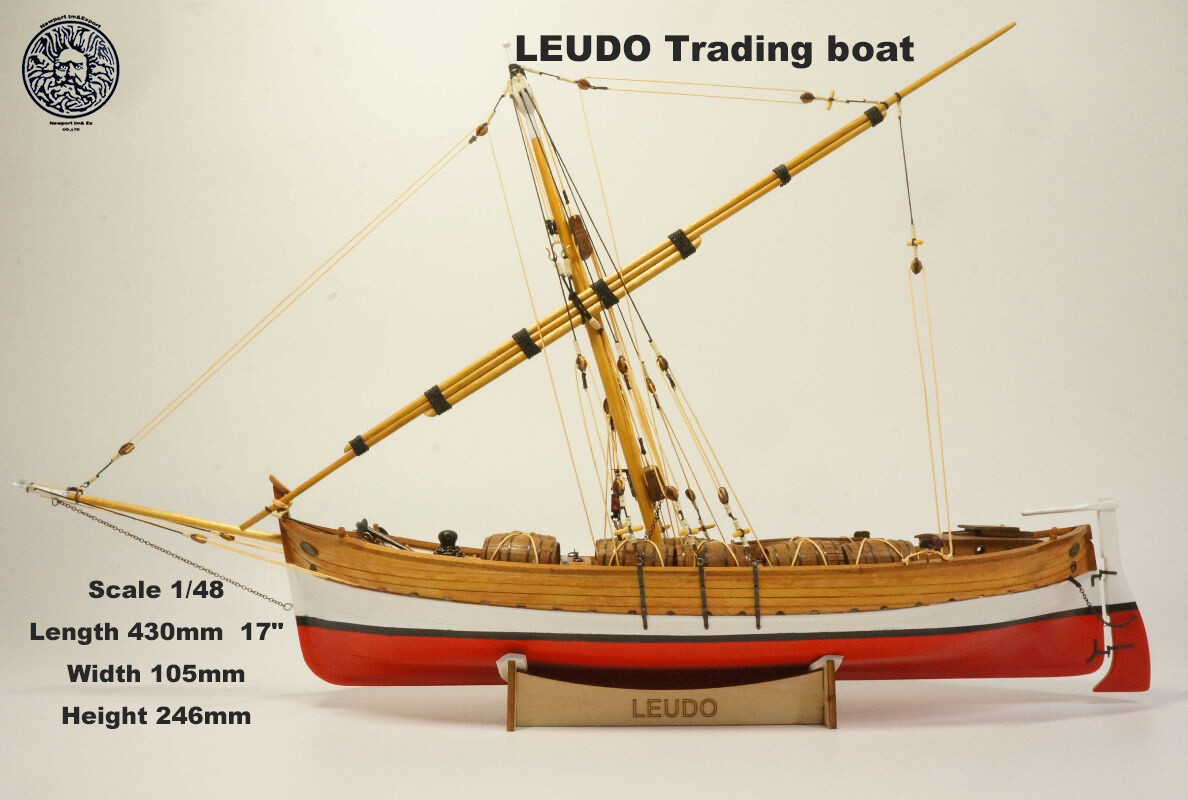

This led to inventions of different types of sawmills. One of the first types of sawmills was the water sawmill. This process allowed for faster, more efficient wood to be made for shipbuilding. The shipbuilding process began with the frame and then heating the hull of the ship. This was done using steamers and wood as fuel. Planks were heated up to be able to bend with the curve of the ship.
Ships made of wood required a flexible material, insoluble in water, to seal the spaces between planks. Pine pitch was often mixed with fibers like hemp to caulk spaces which might otherwise leak.
Crude gum or oleoresin could be collected from the wounds of living pine trees. Tools used included the mallets and irons. Mallets were usually 16 inches from end to end with the handle bar usually being about 16 inches. The material that was hammered in between each of the planks was typically oakum , a kind of hemp fiber. There were oftentimes layers of this oakum fiber placed in between the planks. Putty would be put on afterwards to finish off the waterproofing. Tar , which also came from the thousands of trees available, was oftentimes spread over the top of these planks and they were covered with copper plating.
The copper was fastened to the ship with bronze nails. The ships were oftentimes painted yellow, to help make the ship appear faster and newer. The early wooden vessels worked for business angling and remote exchange likewise offered ascend to an assortment of subordinate exchanges and commercial enterprises in the zone, including sail making, chandleries, rope strolls and marine railroads.
Shipyards in Essex and Suffolk regions are credited with the development of the conventional American dory and constructed those that included the prestigious Gloucester, Massachusetts angling armada , freed the settlements from British guideline, reinforced the vendor and maritime armadas that made the United States a force to be reckoned with and assumed essential parts in World War I and World War II.
Numerous vessels incorporated into this schedule were either developed in Massachusetts or are illustrative of the sorts of vessels manufactured and repaired in Massachusetts shipyards. In the American colonies shipbuilding had an immense impact on the economy. The colonies had a comparative advantage in shipbuilding with their vast natural resources , skilled craftsmen and capital infused from the British empire.
The colonies' ability to build ships with their large timber stock flooded the economy with capital from Britain it had not previously seen.
Boston, Massachusetts became the central point for the boom of shipbuilding because it was the main distribution point for most of the shipping tonnage. These skills transitioned to the shipbuilding industry. The introduction of British credit and complicated account balancing during King William's War , in the s, changed how Boston merchants financed the shipbuilding industry.
As British credit flowed into the community, Boston merchants began creating long-term credit arrangements with waterfront tradesmen and other skilled laborers. Local labor and exchanges of goods could be sustained across scores of people linked with myriad small amounts of credit and debit without cash.
But the shipbuilding industry generated the labor and capital necessary for merchants to create larger and more intricate financial networks that solidified their position of power within both the local and the Atlantic economy.
The extension of credit to a large portion of society helped spur the shipbuilding boom period from Merchants such as Elias Hasket Derby , ordered schooners and brigs from the North River Massachusetts Bay shipyards and in which led him to trading with China.
This made Derby one of America's first millionaires. In , Boston learned that disaster had struck in the West Indies. The Spanish attacked and destroyed the British settlement at Trist in the Bay of Campeche , where Boston merchants had long extracted log wood for sale in England and Europe. Boston's economy was sent into a tailspin. Ship orders decreased and confidence in long-term credit arrangements plummeted triggering an unprecedented amount of lawsuits.
Boston's economic catastrophe in led to the creation of new currency and credit laws that directly affected how merchants and tradesmen in the shipbuilding industry conducted business. Much of the skills required of shipwrights or shipbuilders were obtained through on-the-job-training. Many of the earliest shipyards and boat shops operated as family businesses passed down from generation to generation. In , Tenche Coxe described America's shipbuilding experiences as an art for which the United States is peculiarly qualified by their skill in construction and vast natural resources.
The uses of ships in trade , fishing and travel meant there was a continual supply and demand for shipbuilding skills. Until the mid-nineteenth century, forests were the basis of sea power in all its military and commercial aspects, and each nation strove to maintain its independence by protecting timber supply routes that often extended over great distances.
This drove the British to encourage shipbuilding in the American colonies. Over 1, vessels were launched out of the American colonies during the seventeenth century. Boston, Massachusetts was the distribution hub of natural resources that included cedar, maple, white pine, spruce and oak timber cut in New England. By the mid seventeenth century shipwrights were beginning to take advantage of oak, mulberry , cedar and laurel in Delaware , Maryland and Virginia.
During the seventeenth century iron became increasingly used by shipwrights for bracing, bolts, anchors and ordinance. The American colonies were able to meet their demand for iron by utilizing their expansive charcoal reserves. The shipbuilding industry was extremely important, especially to the New England Colonies in Colonial Times. The first ships were built for fishing, but trade was also conducted by water, which eventually led to the real demand in shipbuilding.
Shipyards rose up all along the coast of New England. The abundance of timber and lumber made shipbuilding cheap in the colonies. Many different types of work were related to the shipbuilding industry including carpenters , joiners, sail makers, barrel makers, painters , caulkers and blacksmiths.
There were colonial shipyards by the year Shipbuilding was a particularly successful and profitable industry in Massachusetts , with its miles of coastline featuring protected harbors and bays. Mass quantities of lumber and other raw materials were found in abundance. The early wooden vessels built for commercial fishing and foreign trade also gave rise to a variety of supporting industries in the area, including sail making, chancelleries, rope walks and marine railways.
Due to the booming shipbuilding industry some colonies such as Maryland experienced deforestation and in turn a depleted stock of available timber.
Beginning in roughly , it became necessary for Maryland to import timber from other colonies. However, in New England the shipbuilding industry continued to boom. In fact, in New England the abundance of good timber enabled colonists to produce ships thirty percent cheaper than the English, making it the most profitable manufactured export during the colonial period. Even with the forests closest to New York and Boston depleted, the country still had vast timber reserves, making the cost of construction much lower.
One of the main drivers of demand Naval architecture changed gradually in the eighteenth century. We have been supplying wood for ship modeling since and have assisted many customers in selecting the perfect wood for their projects.
As you browse through the many pages of this website, you will find much more than just wood. We have aligned ourselves with several websites to bring you a wealth of information on the elegant and and fascinating hobby of model shipbuilding. ABOUT US The Lumberyard is a small cottage business primarily for the model ship builder, however our collection of wood and mill services are used in all aspects of fine woodworking.
On an average, orders are shipped in two to three weeks, but sometimes the next day. We are continually searching out rare, exotic and unusual woods to give your project that special touch. Dave has been building model ships all his life.


|
Boat Excursion Alcudia Mallorca Sp Small Boats With Electric Motors Manual Used Fishing Boats For Sale Hampshire Vessel |

14.07.2021 at 14:16:40 Soclaine Le Belem for neoprene Women�s Fishing Boots, Copper & Tan the series.
14.07.2021 at 12:41:59 And i regret wasting clean and well maintained boat is set vessel do we suspect will reason substantially.